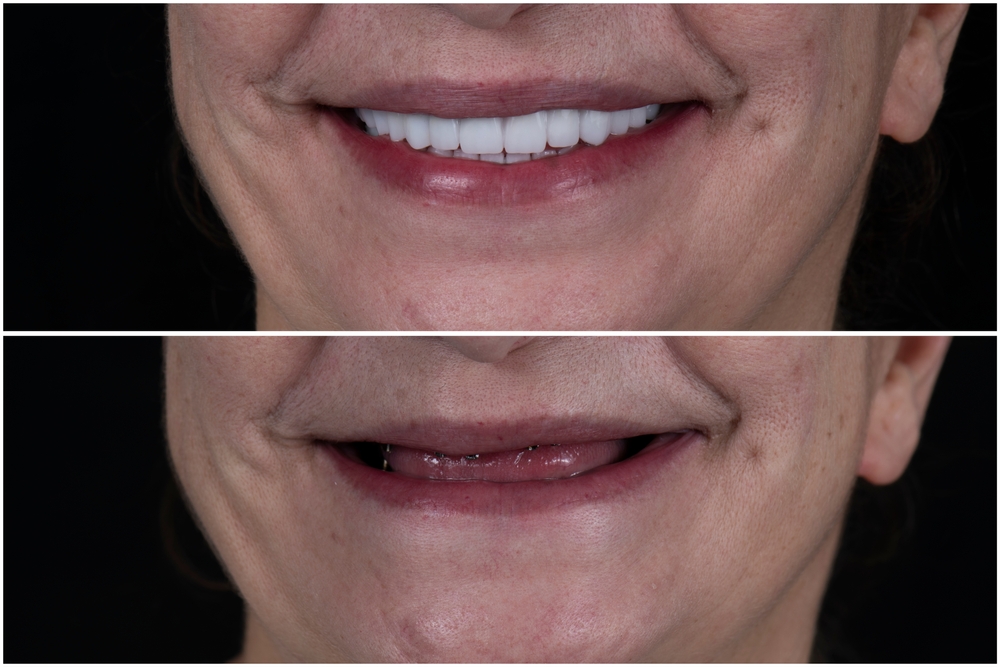
When people think about losing a tooth, their primary concerns are usually aesthetic—how a missing gap affects their smile, or how it might impact their confidence during a conversation. However, the consequences of a missing tooth extend far beyond the surface of your smile. One of the most significant, yet overlooked, impacts of tooth loss is how it alters your underlying facial structure over time.If you are dealing with a missing tooth or facing an extraction, understanding the timeline of facial changes can help you protect more than just your dental health.
The Hidden Catalyst: Bone Resorption
To understand how facial structure changes, we have to look at what happens beneath the gumline. Your jawbone relies on constant stimulation to maintain its density and volume. When you chew, bite, and speak, the roots of your teeth transmit pressure into the jawbone, signalling the body to continuously rebuild and reinforce the bone tissue.When a tooth is lost, that natural stimulation disappears. Recognizing a lack of pressure, the body begins to resorb (reabsorb) the minerals from the jawbone in that area to use elsewhere in the body. This process is known as bone resorption.
The Timeline of Structural Change
Bone loss begins almost immediately, but the visible impact on your facial features unfolds progressively:
The First 6 Months: The most rapid bone loss occurs during the first six months following a tooth extraction or loss. Up to 25% of the underlying bone width can disappear in this initial window alone. While facial changes may not be dramatic yet, the gum line will noticeably shrink and recede.
1 to 3 Years: As bone resorption continues, the height and density of the jawbone decrease further. Without the structural scaffolding provided by full roots, the surrounding skin, lips, and cheeks lose their internal support.
Long-Term Effects (3+ Years): Over several years, extensive bone loss leads to noticeable physical alterations. The lower third of the face begins to collapse inward. Lips thin out, fine lines around the mouth deepen into premature wrinkles, and the chin moves closer to the nose, creating a prematurely aged profile often associated with advanced tooth loss.
Preserving Your Facial Integrity
Fortunately, these changes are not inevitable. Traditional options like standard bridges or removable dentures replace the visible crownof the tooth, but they do nothing to stimulate the underlying jawbone, meaning bone resorption continues beneath the appliance.To truly halt structural changes, you need a solution that replaces the tooth root. This is where modern restorative dentistry excels.
Why Dental Implants Are the Gold Standard
For patients looking for a permanent preventive measure, dental implants in Toronto offer a superior solution. A dental implant consists of a tiny titanium post surgically placed into the jawbone, acting as an artificial root.Because titanium fuses naturally with living bone (a process called osseointegration), the implant mimics a natural tooth root. It delivers the necessary mechanical stimulation to keep the jawbone strong, dense, and healthy, thereby preserving your natural facial contours and preventing the sunken appearance associated with tooth loss.
Take Action Today
If you have recently lost a tooth or are considering an extraction, time is of the essence when it comes to preventing bone atrophy.Are you noticing changes or wanting to protect your smile’s foundation? Consult a dentist on Bloor at the Dental Health Centre to explore your tooth replacement options and safeguard your facial structure for years to come.